What Is an Office Dead Pool? The Workplace Prediction Game Explained
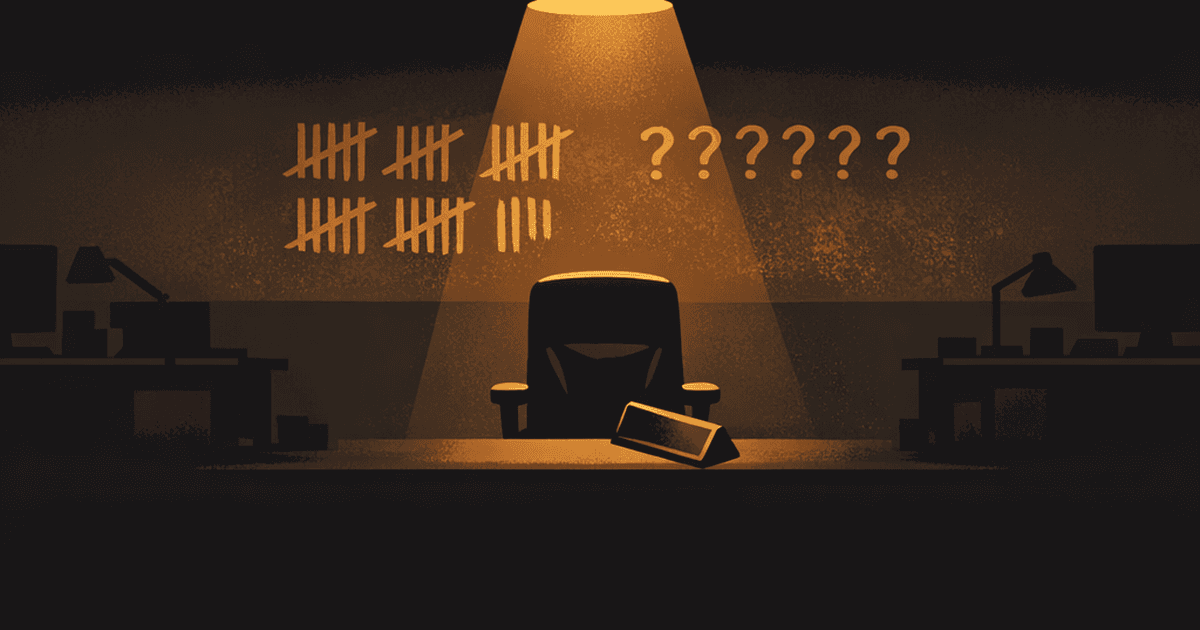
You know that feeling. The all-hands meeting gets scheduled with no agenda. A VP you've never heard of shows up to "listen and learn." Your team lead starts being suspiciously nice.
Everyone's thinking the same thing. Nobody's saying it out loud.
Who's next?
Office Dead Pool is the game that says it out loud. It turns the thing you're already doing — predicting who's leaving, getting fired, or jumping ship — into an actual competition with points, leaderboards, and bragging rights.
And it's been doing it since 2002.
What Is an Office Dead Pool?
An office dead pool is a workplace prediction game. You nominate coworkers you think are about to leave the company — whether they quit, get fired, or get "restructured" — and pick the date you think it'll happen.
When someone actually departs, the company votes to confirm it. Then the points drop.
Nail the exact date? That's 50 points. Get within a week? Still solid. Within a month? You'll take what you can get. Miss by more than 30 days? You get nothing, and everyone else gets to remind you about it.
The person with the most points earns the title that matters: The Gossip King.
It's like fantasy football, except the players are your coworkers and the stats are resignation letters.
How It Started: A Dot-Com Bubble Story
In 2002, the internet was on fire — and not in the good way.
The dot-com bubble had burst. Companies that had raised millions on napkin-sketch business plans were folding overnight. Startups that threw launch parties with ice sculptures were suddenly locking employees out of the building. Every Monday morning was a game of musical chairs, except they kept removing entire rows of desks.
If you worked in tech during the bust, you know the vibe. The gallows humor. The nervous jokes over coffee. "Did you see Dave's desk is empty?" "Which Dave — there are three left."
That's where Office Dead Pool was born.
It started as a joke — a paper list passed around the office. Who's going next? Which company is about to implode? Which department is getting the axe? People started writing down names and dates. It was dark, it was funny, and it was the only honest conversation anyone was having about what was happening.
The paper list had a problem, though. It couldn't scale. It couldn't score. And it definitely couldn't settle arguments about who called it first.
So I built a website. I had the programming skills, and I had a domain name that nobody else was crazy enough to register: officedeadpool.com.
People played it. Not millions — this was never a venture-backed moonshot (ironic, given the era). But real people at real companies used it to do what they were already doing, just with a scoreboard. Over the next twenty-plus years, the site had its own cycles — growing when layoff waves hit, quieting down when the economy hummed along.
It turns out a game about workplace departures never really goes out of style. It just waits for the next round of layoffs.
How It Works
Here's the game loop:
Sign up with an email and username. No LinkedIn required. No real names. Your identity is between you and your scoreboard.
Join your company using an invite code from a coworker, or create a new company pool if you're the first one brave enough. You need at least three people from the same company to make it interesting.
Nominate someone. Pick a coworker — someone you think is updating their resume, someone whose one-on-ones with the boss have gotten suspiciously short, someone who just bought a new car they can't afford on this salary. Write your reason. Pick the date you think they'll be gone.
Wait. This is the part where you watch for signs. The LinkedIn photo update. The "just exploring options" Slack status. The sudden enthusiasm for "work-life balance."
When someone actually leaves, any player can report it. The company votes to confirm the departure and the date. Majority rules — more than 50% of your company's players have to agree.
Points land. Exact date gets you 50 points. Close guesses earn on a sliding scale within a 30-day window. Outside that? Zero. Predictions aren't graded on a curve.
The Gossip King is whoever sits at the top of the leaderboard. They earned it. They paid attention. They called it.
Why People Play
"I called it." That's the core of it. Everyone thinks they know who's next. Office Dead Pool makes you prove it. When you nail a prediction, you get points that say you were right — not just to yourself, but to everyone playing.
Watercooler energy, with stakes. The conversations are already happening. Who looked miserable in the meeting? Who's been taking long lunches? ODP gives those conversations structure and a scoreboard.
Dark humor as stress relief. Layoffs are stressful. Uncertainty is exhausting. Laughing about it — turning it into a game with friends — makes it manageable. Office Dead Pool was literally born from this coping mechanism during the dot-com bust.
Competition. Some people want the Gossip King crown. Some people just want to beat Karen from accounting. Either way, the leaderboard keeps you coming back.
The AI Reboot
Twenty-four years is a long time on the internet. The original site was built with early-2000s PHP and held together with duct tape and mysql_connect calls. It worked, but it wasn't winning any design awards.
Now it's back — rebuilt from scratch with a modern stack, a dark theme that actually looks like a game, and the same dark humor that started it all. The rules haven't changed. The scoring hasn't changed. The fundamental truth hasn't changed: you already know who's next.
The only difference is the game finally looks as sharp as the predictions.
Because that coworker who just updated their LinkedIn photo? You know what that means.
You Might Also Like
Fun Office Bets That Won't Get You Fired
Looking for office bets that are actually fun and won't land you in HR? Here are the best workplace bets — including one…
Layoff Survivor Syndrome: What Happens to the Ones Who Stay
After the layoffs, the survivors carry the weight. Here's what layoff survivor syndrome looks like, why it hits harder t…